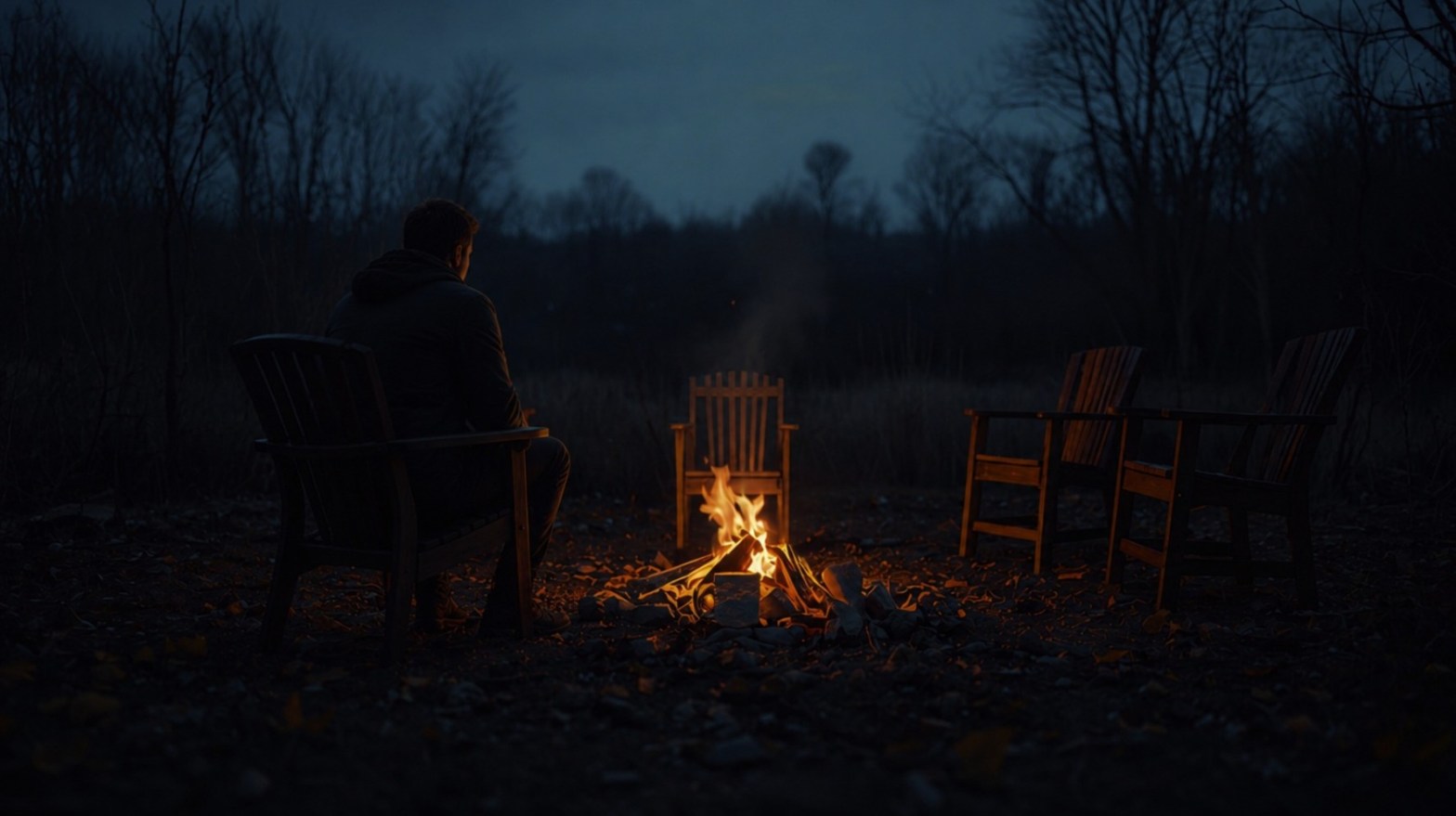
Once we go through the experience of sibling estrangement, we are forever changed. It starts to affect us not only in how we see ourselves, but in our relationships with others as well. The feeling of rejection that we may have experienced from our sibling is a hurtful feeling that can carry into other relationships. And if we’re not careful, this can cause us to experience hurt, and reawaken a dormant pain that we thought was already over. In this article, I’ll explore just how this feeling can appear in relation to others around us, and what we can do to maintain our sense of peace.
In the online support groups that I host, I find that it’s in those moments that I get to see just how deeply sibling estrangement continues to affect us. Small moments of rejection tend to shake us, and reawaken the grief tree. Whether it’s those moments where we are treated differently, with less care, less consideration, or in moments where people flat out get together, and omit to invite us, it’s those small moments that cut deep.
Perhaps the shock of being cast aside still reverberates within our hearts. And while we are often left without answers, it’s in those moments that the mind can tend to want to find its answers, and reexamine every interaction we may have had with our sibling. All in the hopes of somehow gaining a reason for why we are treated the way we are, and to make sure the pain of rejection doesn’t happen again.
While this may be useful in understanding and assessing the nature of our relationship with our sibling, it’s a bit more complicated for our brain. Pain doesn’t stop with one single experience. If our brain recognizes a pattern similar to what we experienced, it will fire up those neural pathways, and trigger the same feelings and emotions we once knew with sibling estrangement. This can happen beyond family, and with friends or even strangers.
Consider what happened to me recently. I had some of my closest long term friends choose to go and schedule a trip amongst themselves to Scotland, despite that we had spoken about a prospective trip together to Ireland next year. Lo and behold, when I heard them speak about this, and how everything was already planned, it felt like a punch to my stomach. Why was I not invited? Why did they not consider me for this trip? Was I not worthy enough to join them? Unfortunately, I was only given partial answers before they left. But the hurt still loomed with me for several days, starting on father’s day. Introspection helped me to understand just how this was connected to sibling estrangement. And as with the work that I do with clients on estrangement, so too did I employ the tools to foster my inner adjustment of what these relationships come to mean to me now. Gone are the days of pulling all-nighters of personal self-disclosure in the style of the Breakfast Club movie. Now, I’m relegated to the outer circle with who I thought were my best friends.
These types of grief waves are common for many of us. And life may invariably ask us to face them when those grieving feelings get activated. Grief doesn’t have boundaries. It will pour into different areas of our life and make itself visible in subtle and not so subtle ways. How we come to face it makes all the difference. True, there is the inner work of connecting it to the sponsoring grief moments that started it all. And this work is worthy for all of us, be it individually, or through a therapeutic follow-up. This inner work is complimentary to the outer work involved, in some cases, with speaking up.
If we are treated adversely by strangers in a public setting, it’s perfectly fine that we find our voice and ask why we are being singled out for less than stellar treatment. It’s also beneficial to do this with our friends when we experience such moments of rejection or abandonment. Whatever type of answer we get, including silence, is always extra information that helps us to assess just what is the nature of our relationship with someone. Sometimes, some of our friends may surprisingly operate from a fixed emotional capacity position. And this helps us to see just with whom we can feel emotionally safe. Other times, it helps us to sharpen our ability in being able to speak from a position of curiosity rather than high emotionality when talking about rejection moments. It’s these experiences that can foster repair and the ability to manage conflict. While we may not get an apology, we may get an understanding in how someone else operates.
I often mention to participants in my support groups how the skills we learn with navigating sibling estrangement are transferable to other relationships. And while we may never get clear answers on why our sibling-s treat us the way they do, nothing precludes us from doing the work on managing those same feelings when they arise elsewhere. Here’s hoping that if a grief wave hits you, and that you see it comes from specific triggers associated with your past, that you can do both the inner and outer work necessary to address, process, and bring this up consciously with others who surround you, beyond your sibling relationship.
Ali-John Chaudhary is a Registered Psychotherapist with offices in Ontario and Quebec. He helps clients from different parts of the world going through sibling estrangement issues, and produces YouTube videos on the same subject. He also hosts a twice-monthly online support group, thematic sessions, and immersive workshops, each on Zoom (see groups), for those looking to empower themselves with this rarely discussed subject. What’s more, Ali-John is starting up the Wellness Rewards Club, through a YouTube Membership, which will serve to give readers extra resources to create the next chapter in their lives following sibling estrangement.
 Sibling Estrangement
Hi Ali-John,
I’ve listened to all your podcast and I was wondering how I can be part of an online support group. I lost both parents decades ago and my only relative I was close to was my sister and she estranged me basically during Covid and I have not recovered and I’ve lost many other friends since due to health problems, depression, loss of identity through my career, which was directly affected through surgeries and mostly not having my sister to confide in and to help me figure out who I even am inside. Classic children of alcoholics… Just wondering if you could please help me and if I could join the group? Thank you so much.
Sincerely,
Ann Lavin
better email: annlavin81@gmail.com
Sent from my iPhone
LikeLiked by 1 person