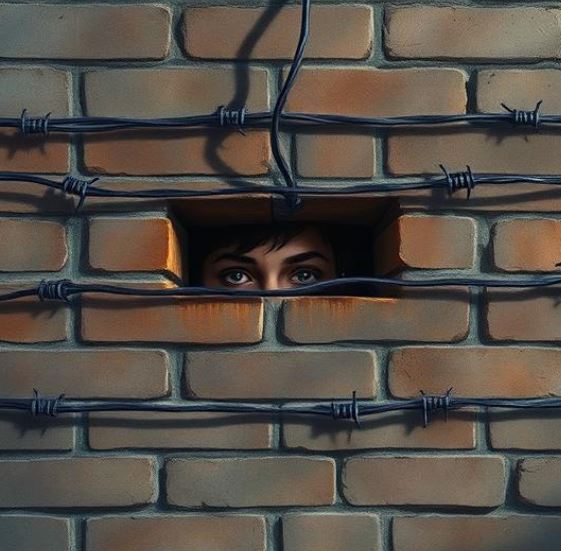
In our quest to understand the underpinnings of sibling estrangement, one particular perspective is almost universally experienced, and it’s that of our sibling’s ego defense mechanisms. These were initially described by Sigmund Freud, and later, his daughter Anna Freud expanded upon them. Many of us have been subjected to disproportionate reactions on our sibling’s part, which leaves us wondering if there’s anything we said or did that could have caused this. Here, we will define different types of ego defense mechanisms in order to better see, understand, and empower ourselves with what may transpire between our siblings and us.
First, let’s recognize that ego defense mechanisms can range from primitive/ immature, neurotic/intermediate, to mature, depending on how we manage inner-conflicts, anxiety, and perceived threats to our integrity or self-esteem. Many of these can be unconscious. In the interest of this article, we will focus on the primitive/immature ones first, then on the neurotic/intermediate ones, and expand in a later article on the mature defense mechanisms.
Primitive Defense Mechanisms
Primitive or immature defense mechanisms start during childhood, but can appear in adults during moments of duress. These are, or course, not adaptive and can drastically affect how one sees reality.
Denial
First on this list is denial. This happens when someone refuses to accept a situation as it is, causing them to dismiss the facts in order to validate their worldview.
We may have tried to speak to our sibling, letting them know how we were affected by their behavior or a given situation involving them, for example. With this type of defense mechanism, we can be met with denial of the events, thus gaslighting our perspective, and/or minimizing their involvement in the outcome towards a negative family situation.
Projection
Second on the list is projection. This happens when one ascribes onto others their own negative thoughts and feelings.
Perhaps some of you have felt unreasonably accused, by your sibling, of being a liar, or being conceited or self-centered, for instance. Often, this can be an attempt by our sibling to deflect from their own defense mechanisms, when they accuse someone else of just the same thing. Accountability is one of the most difficult things for people who have weak egos, and by pushing their shortcomings onto others, it allows for them to avoid having to look inwards, do the work, and correct themselves.
Splitting
A third one involves what is called splitting. This has to do with seeing something or someone as all good or all bad, with little to no room for moderation.
This type of all or nothing thinking can sometimes appear with our siblings when they tend to overly focus on the negative or unpleasurable experience they may have had with us. Whether true or false, it prevents them from seeing us truly as we are, and causes them to dwell excessively on a perceived flaw or faux pas they claim to have observed in us. Siblings with a narcissistic interactional style will fall into this category and make use of this type of criticism.
Acting Out
Fourth, is what is called acting out, which has to do with emotions being played out through actions rather than talking out a problem.
For some siblings, anything goes for a reason to set them off and berate us. This can manifest as a shouting match, a condescending conversation, triangulation against us with another person, or more making use of a weaponizing silent treatment that they may make apparent. In some more severe cases, this can manifest as the breaking of objects or physical violence.
Fantasy
The fifth and final one in primitive defenses involves fantasy, which is to retreat one’s self in imagination so as not to have to deal with reality.
One particular example of this is with adult siblings who exaggerate our flaws or create a whole new narrative in their story to label us as a villain. They could even selectively alter details of past events in such a way as to justify the cut-off as being a beneficial decision on their part, when, in fact, no tangible proof exists in reality that we fit into their frame.
Neurotic Defense Mechanisms
Now, we move on to intermediate ego defense mechanisms. The second set consists of neurotic defense mechanisms. More common in most people, these can be more healthy when used sparingly, but may become problematic if over relied upon. Here, we’ll look at how these can manifest in the life of a sibling, amidst the experience of sibling estrangement.
Repression
The first one is repression, which involves suppressing contentious thoughts or memories that are deemed as unacceptable.
Some siblings may have a difficult time in accepting that their own brother or sister differs from them, in terms of interests, values, careers or general behavior. Rather than celebrating this difference, siblings may experience shame. Since this is a difficult feeling to endure, it’s possible a sibling may shift towards repression of this feeling, in order to avoid having to deal with this reality. And so as with avoidance, they may invariably step back from engaging in a healthy, pro-active relationship, as this can potentially be too triggering for them.
Displacement
A second one is what we call displacement. This has to do with redirecting an emotion from a dangerous situation to a more safe one.
It may well be that a sibling may become slighted with what we say or do, whether justly or not. Some may lash out directly, while others may redirect their negative feelings towards someone else. By doing so, this avoids having to have an uncomfortable conversation with us. If left to fester, these feelings can damage what could be a healthy and proper sibling relationship. If repair attempts aren’t brought upon soon as a means of clarifying our intentions, it can potentially create a compounding effect that can foster estrangement.
Rationalization
Yet a third one can involve what’s called rationalization. This has to do by having a sibling explaining away, through logic, a behavior rather than facing an emotionally painful truth.
For example, a sibling may make a statement such as: “I can’t have them in my life because they’re too sensitive and dramatic.” In reality, it’s easier to rationalize that the healthy empathic sibling is the problem rather than having them take a critical look at themselves and realizing their sense of harshness or fear of intimacy within the sibling relationship is what sparks conflict.
Intellectualization
A fourth one can involve intellectualization, which is a way to escape emotional discomfort or distress through abstract thinking.
Conversations in a strained relationship with a sibling could involve the idea of explaining away why they don’t get along by making use of abstract concepts, but never emotionally acknowledging their sibling’s emotional experience, thus leaving a hurt sibling as unseen. This type of behavior can further perpetuate emotional distance by avoiding going into the heart of the matter.
Undoing
Finally, a fifth one can involve what’s called undoing. This has to do with attempting to counter or negate an unacceptable or hurtful action, talk, or thought, through the balancing of compensatory behavior.
This could play itself out in such as way as to have your sibling say something to the effect of “you were always selfish and dismissive towards me,” in an unfounded type of way, and having them suddenly talk or do something nice for you the following day, as if a kind action were to erase the cutting words.
In closing, ego defense mechanisms can play themselves out in various ways, and we explored some that arose from a primitive and neurotic perspective. As we saw, an estranged sibling relationship can play itself out with a few, some, or many of these. Hopefully, this article will prove useful in identifying if these play themselves out in your own sibling dynamic, such that you can better understand how your sibling’s ego can experience perceived attacks. In a next article, I’ll talk about what mature defense mechanisms can look like, and how they can play out in interactions with a brother or sister.
Ali-John Chaudhary is a Registered Psychotherapist with offices in Ontario and Quebec. He helps clients from different parts of the world going through sibling estrangement issues, and produces YouTube videos on the same subject, with Author Fern Schumer Chapman. He also hosts a twice-monthly online support group, thematic sessions, and immersive workshops, each on Zoom (see groups), for those looking to empower themselves with this rarely discussed subject.
 Sibling Estrangement
Ali-John,
Thank you for this article which I find so thought provoking. I’m currently involved in a 12-Step program called Adult Children of Alcoholics and Dysfunctional Families (ACA) and your article sheds light as I work to examine and heal from unhealthy present behavior patterns that originated in my family of origin, with my sibs and parents.
I look forward to your next article.
thank you!🙏🏻
Claudia
LikeLike
Where does jealousy fit into the defense mechanism? Is it repression?
LikeLike
Yes, that’s exactly right. Because it’s unacceptable, this is why they may repress it.
LikeLike